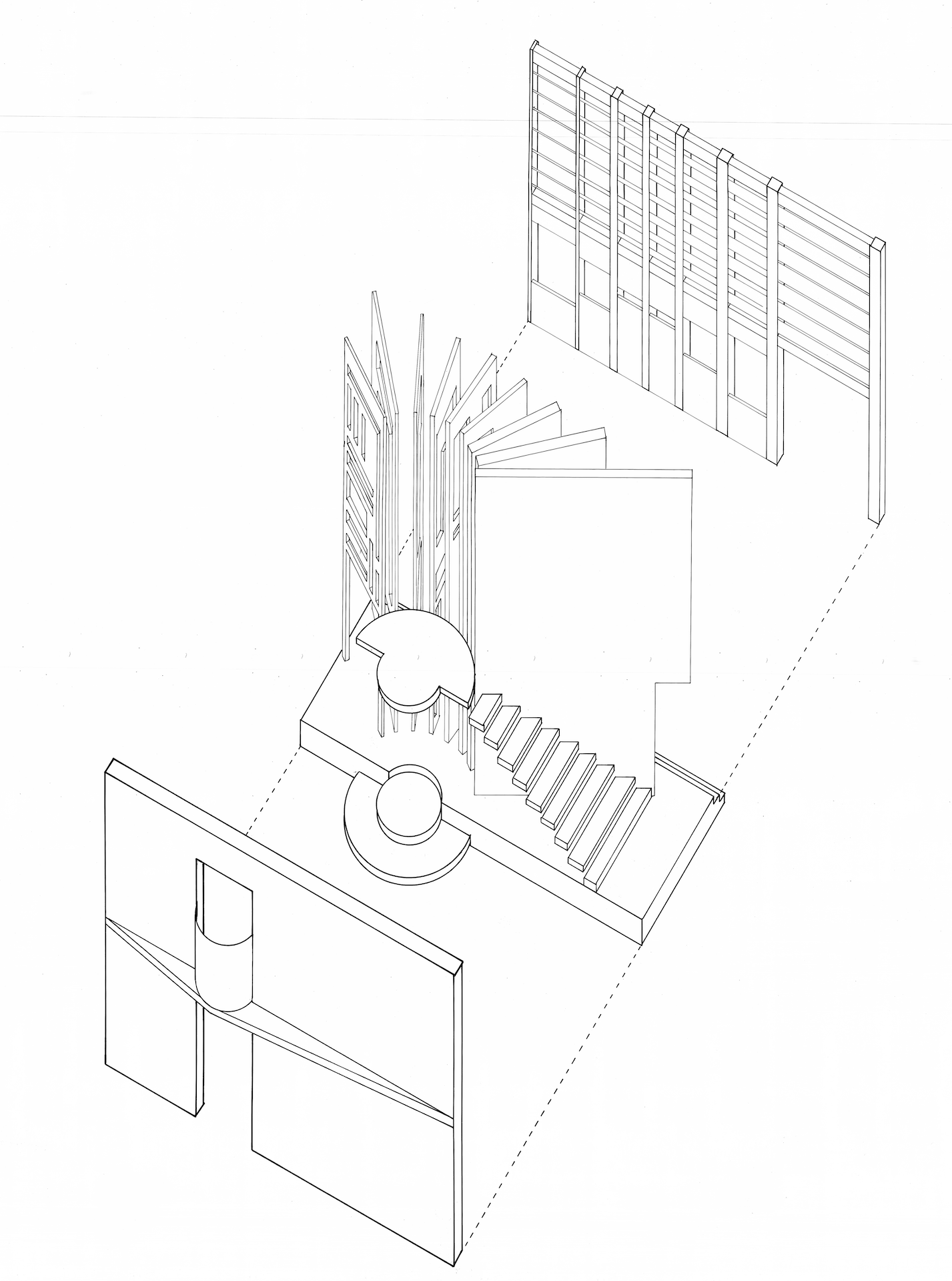
Architecture Student Project
- Spring 1994
- B.Arch. Year 1 Semester 1
- Design Project
- Studio Critic: Prof. Joy Seigel
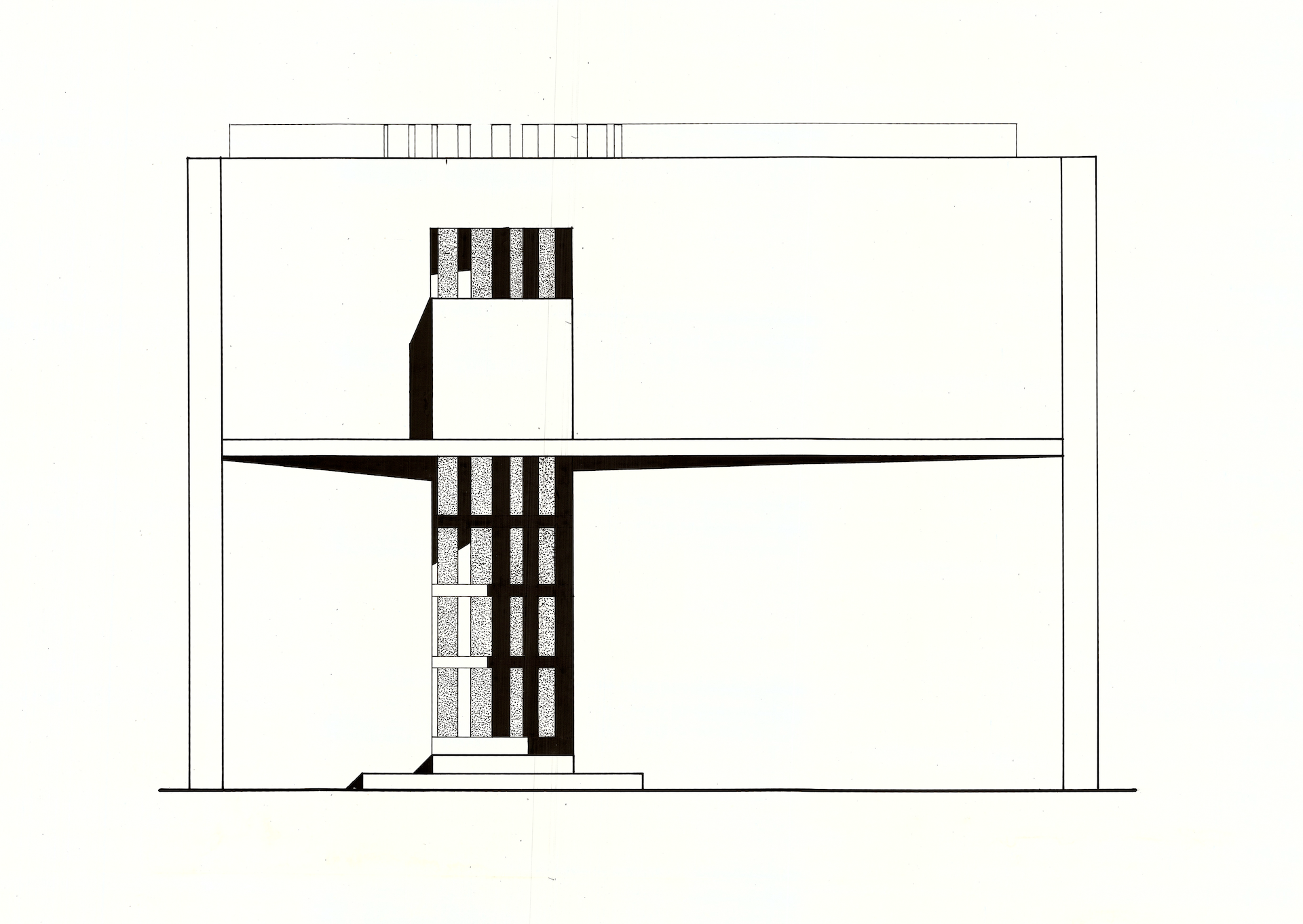
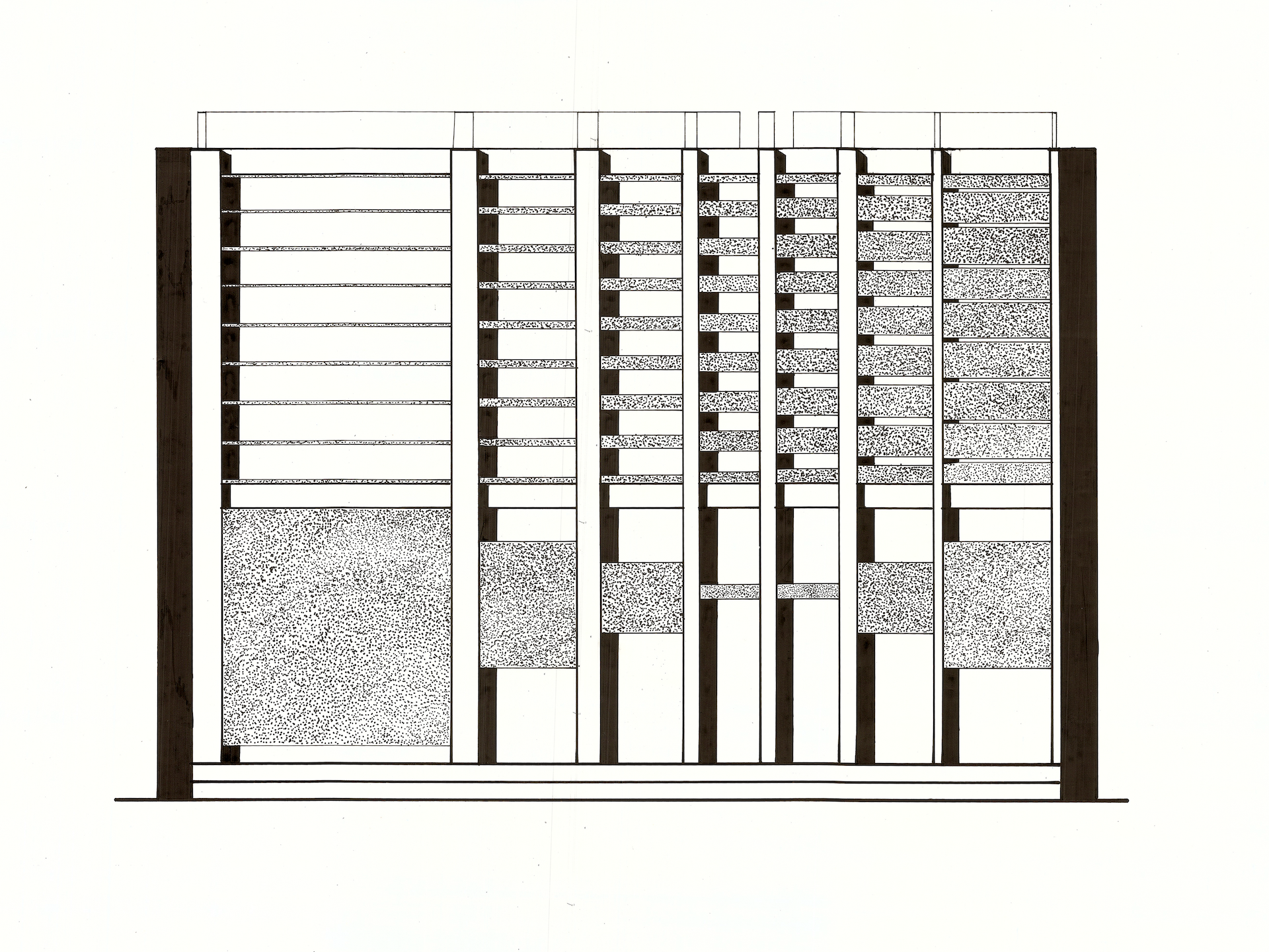
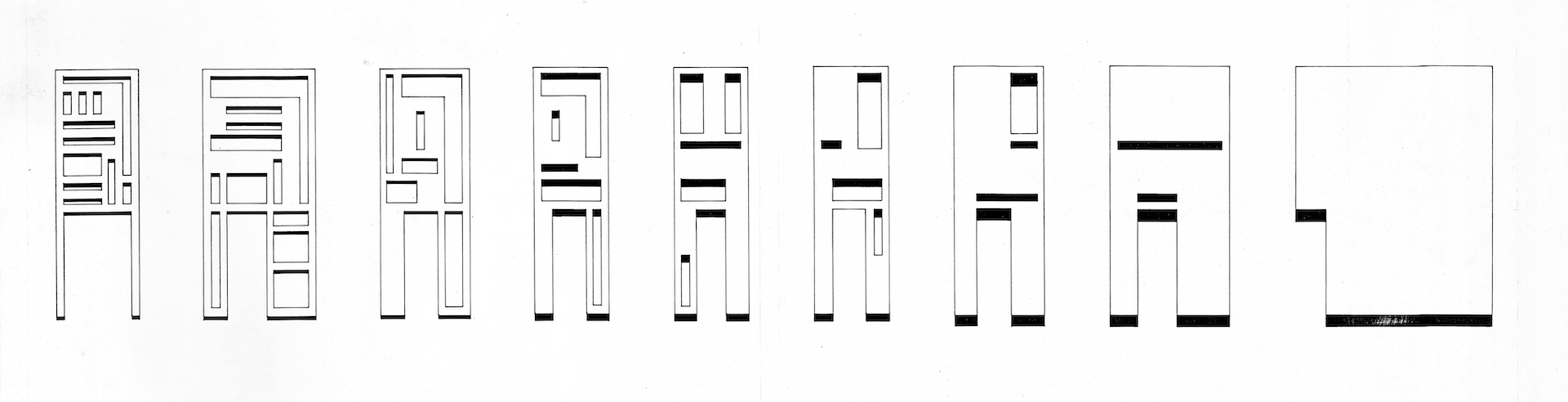
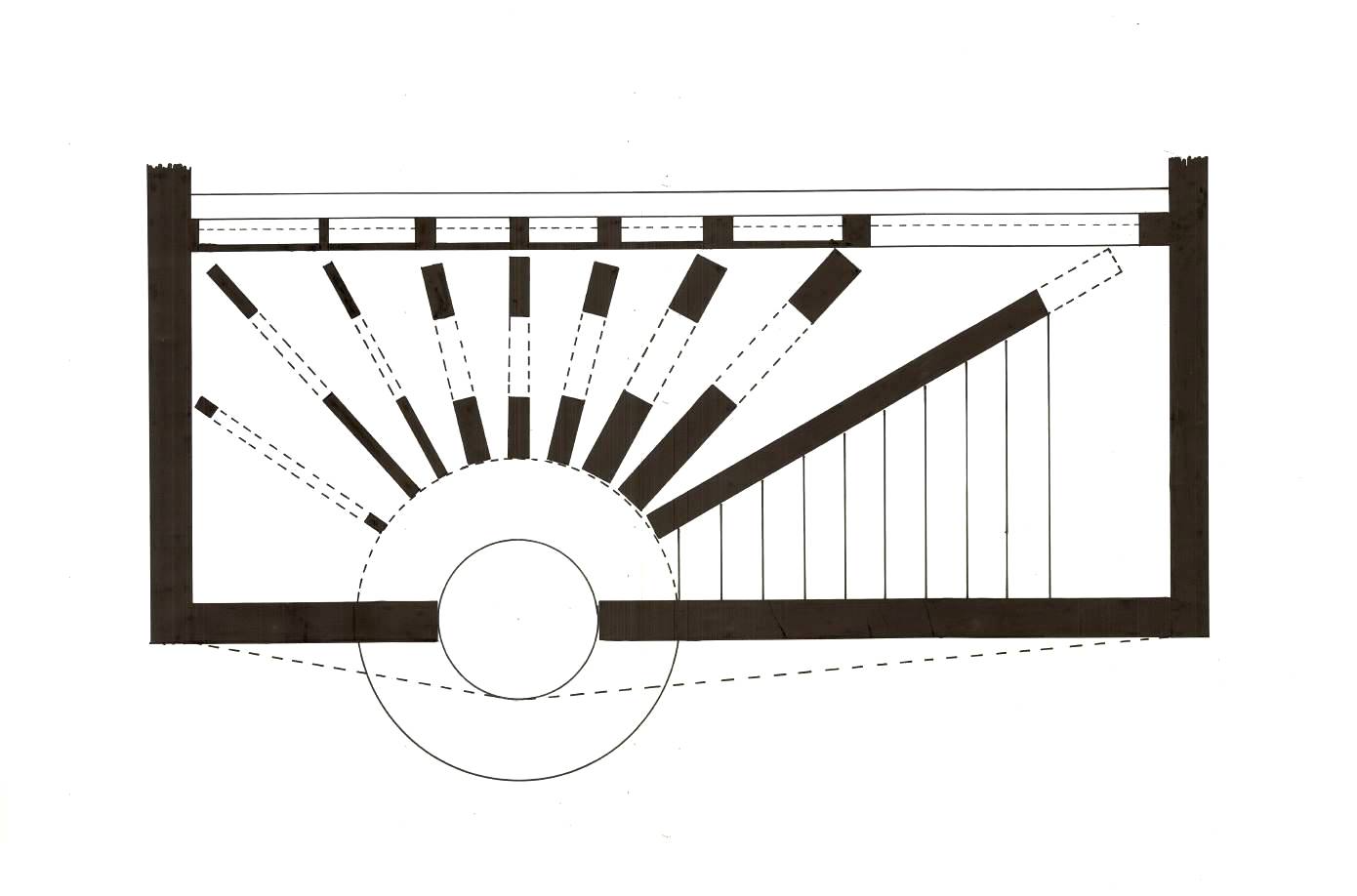
My very first semester in architecture school in 1994. This was the final project for B.Arch. Year 1, Semester 1 (Design Critic: Joy Seigel). The project was titled “A Wall with Two Faces” and the idea was to design a conceptual wall between the city and the garden, representing the link/divide between man/technology and nature/monumentality.
In order to inject transparency (i.e., give the observer a hint of what the “other side” represented), I flipped the two faces of the wall so that the facade representing technology faced the garden, and the facade representing monumentality faced the city street.
The wall’s dimensions were 25ft wide x 20ft tall, and the “wall” was actually a space 8ft deep. This was where the transition between the city and garden would happen.
I got an A for this class, and the jury appreciated my work. I do remember one of them saying that I had too many ideas in this project and I should save them up for the future. At the time, I resented the comment a bit, thinking “When the hell am I going to do another Wall with Two Faces project?” But he was right. Looking back, I think the project should have been simpler and not so burdened with complicated, sometimes overlapping concepts. But I’m still proud of the work I did for it.
The drawings are ink on mylar with Rapidograph technical pens, and these were the final presentation drawings. I had a basswood model, but that was lost/destroyed long ago.